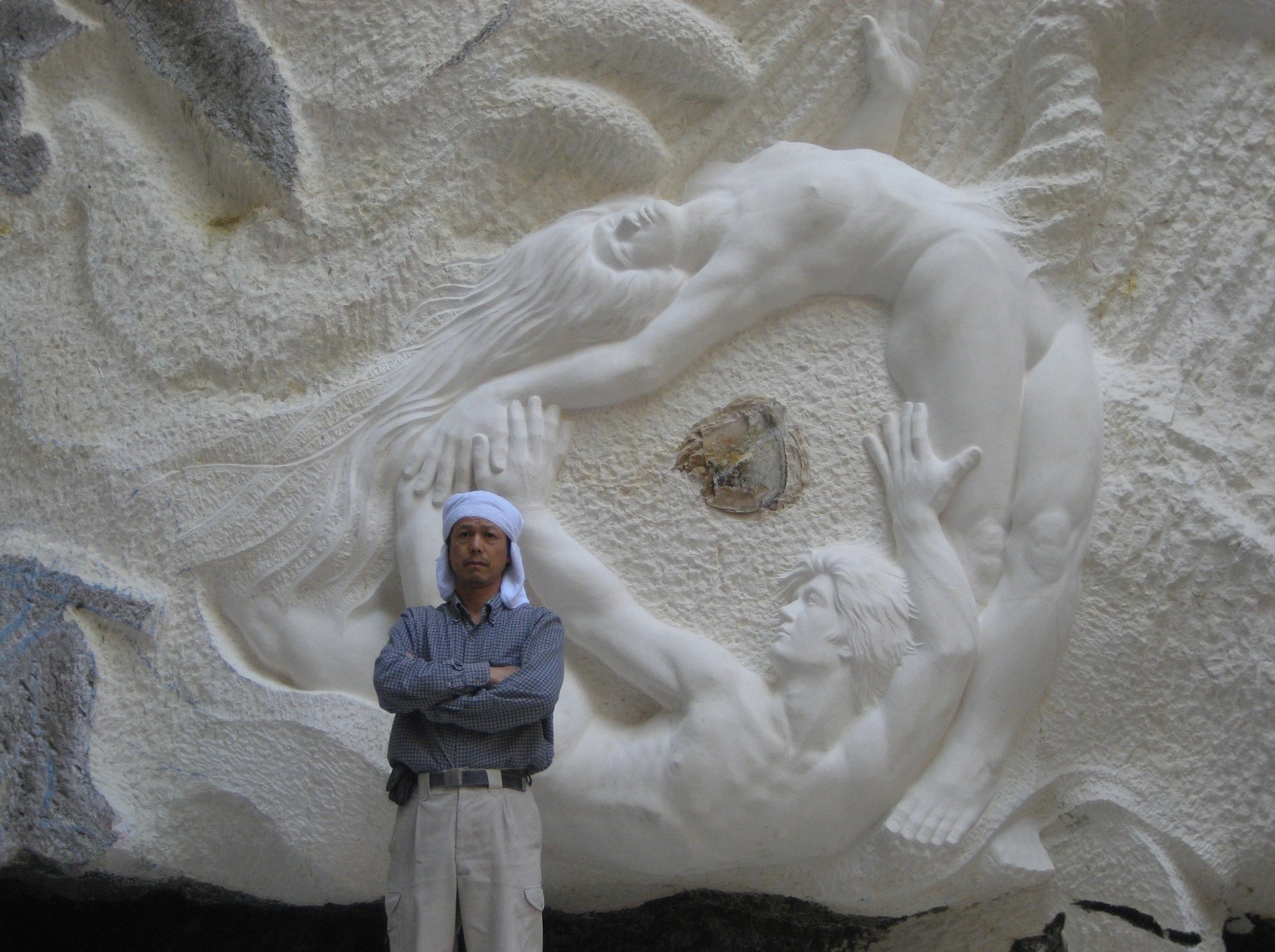
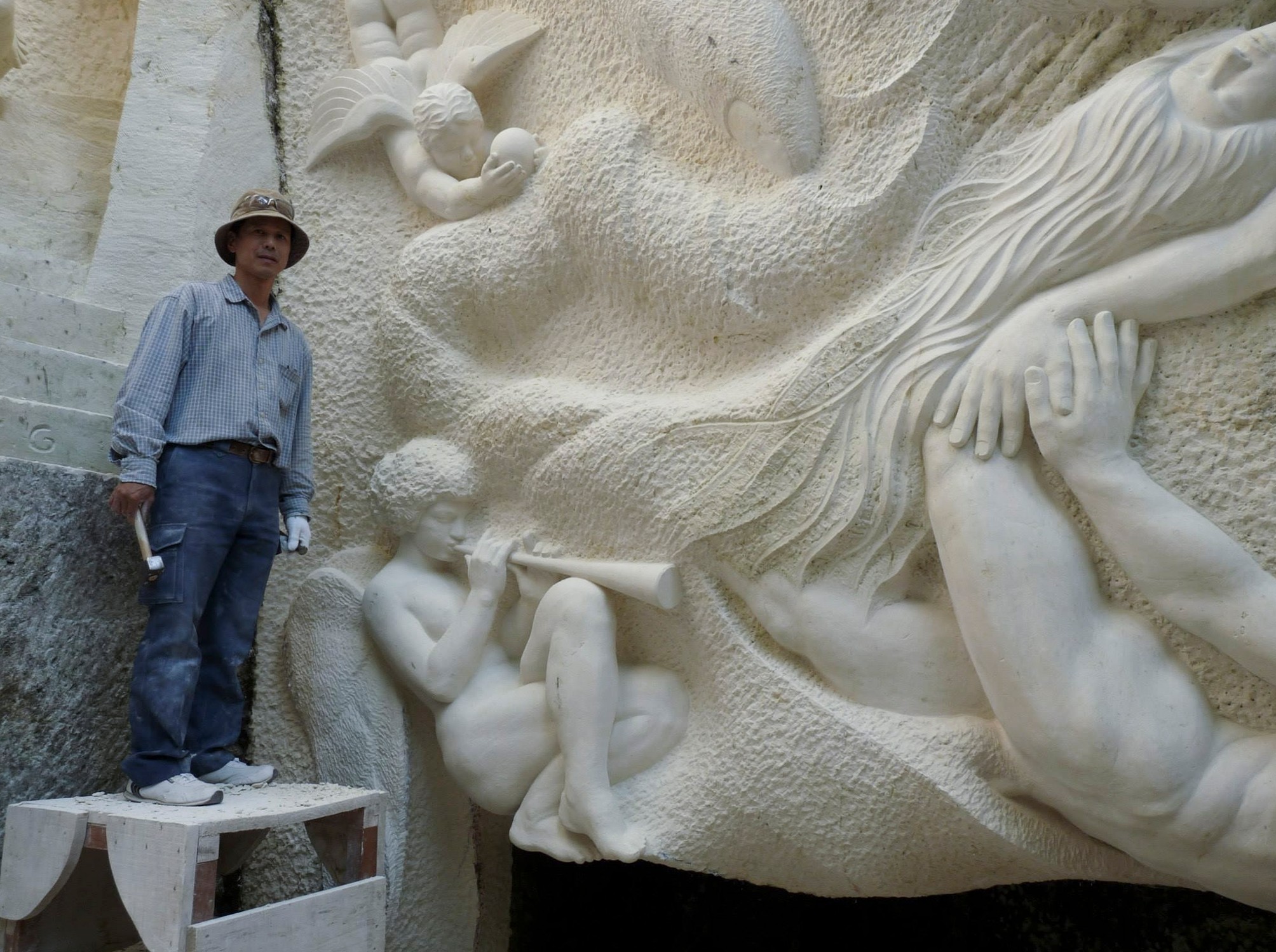
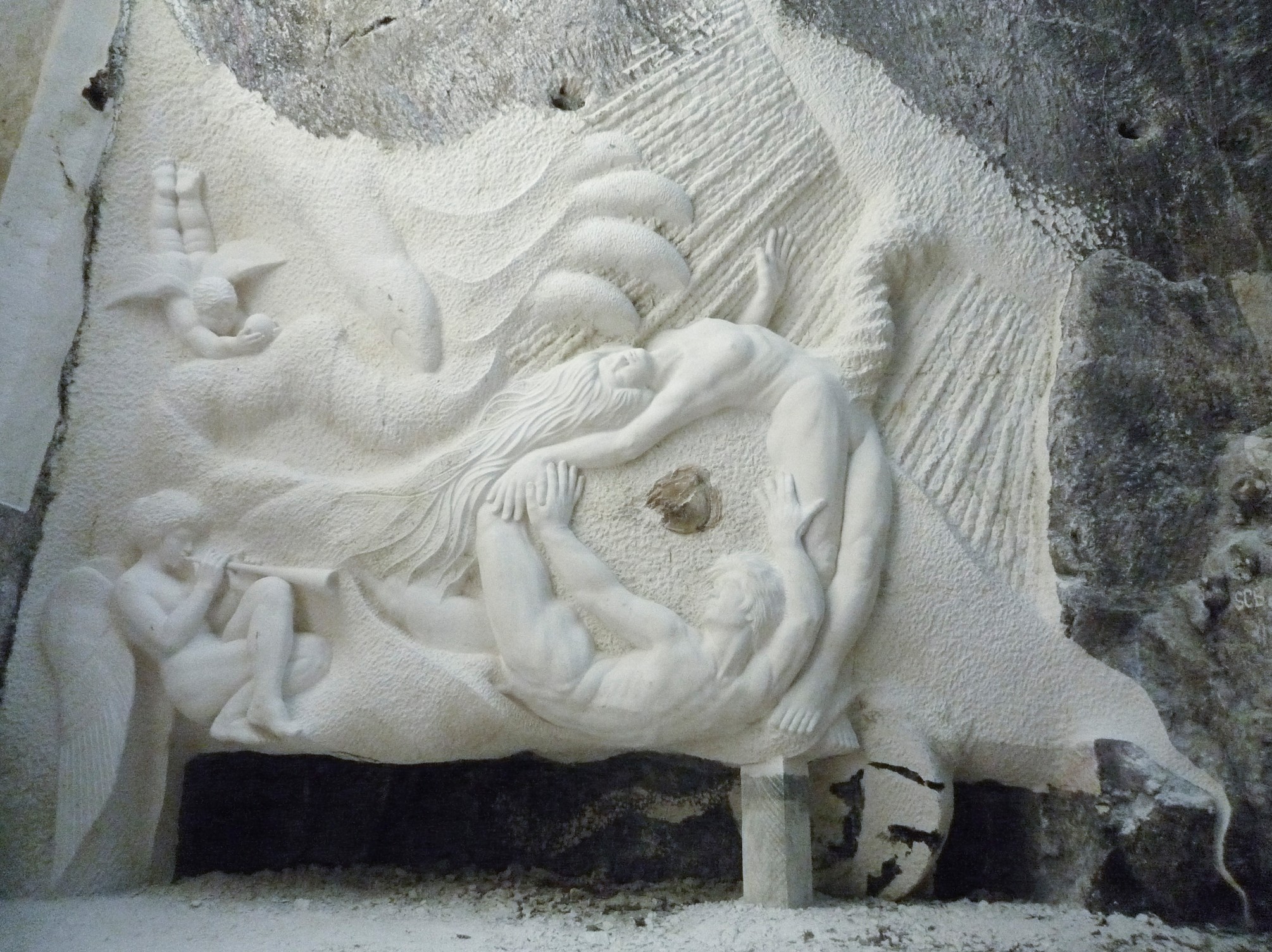
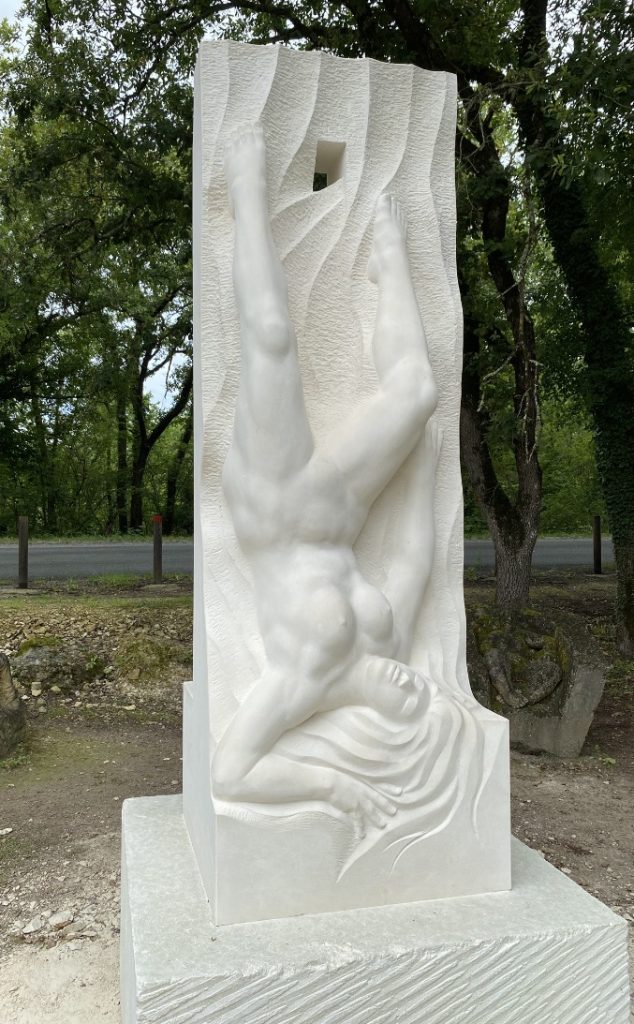
This monumental stone relief, titled From the Abyss to the Azure, was created by Japanese sculptor Yasushi Hori at Les Lapidiales, France. Hori worked on the piece in 2011 and 2012, carving directly into the quarry wall using hand tools.
Artist: Yasushi Hori
Title: From the Abyss to the Azure
Location: Les Lapidiales, Port-d’Envaux / Crazannes, France
Date: 2011–2012
Material: Crazannes limestone / quarry stone
Technique: Direct carving with hand tools
Concept & Theme
From the Abyss to the Azure is a monumental relief sculpture carved directly into the limestone walls of the former Crazannes quarry. The work occupies a surface of approximately 50 m², with the sculptable section reaching around 5 metres in height. Rather than placing a sculpture within the landscape, Yasushi Hori transforms the quarry wall itself into the artwork.
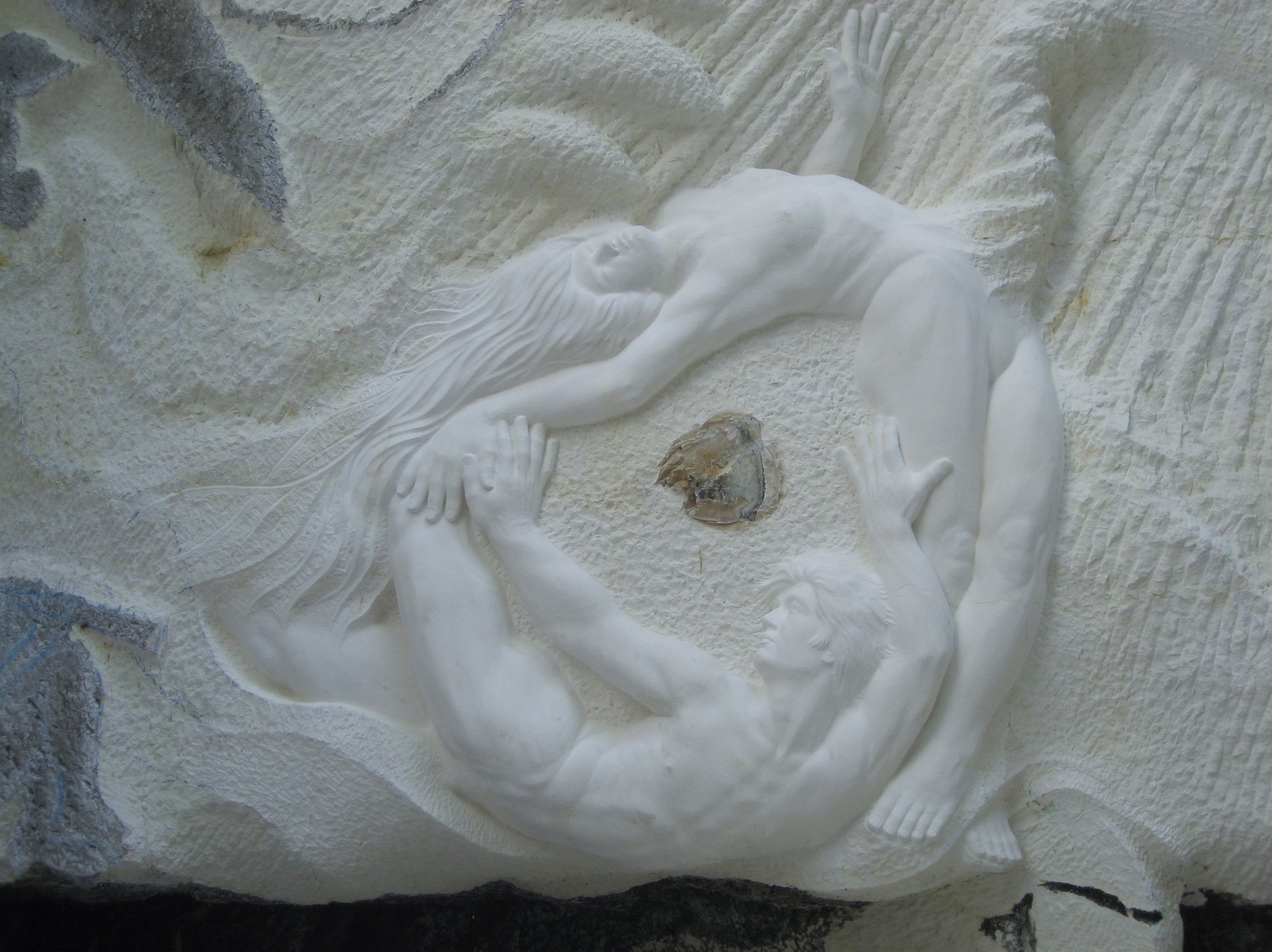
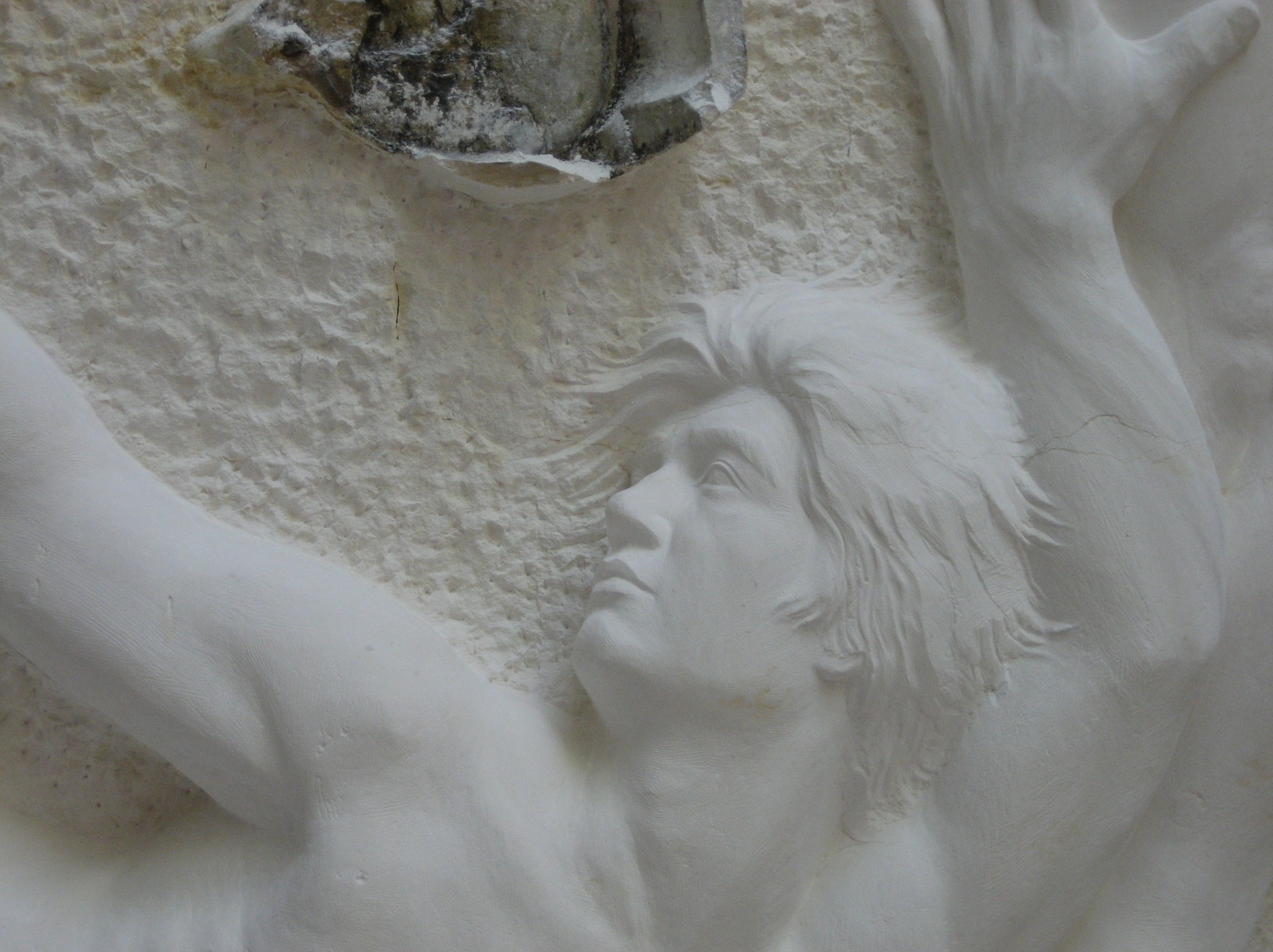
The composition depicts a man and a woman surrounded by symbolic and spiritual elements. Their intertwined bodies appear to emerge from the stone, creating a strong relationship between the human figure and the geological mass from which it is carved.
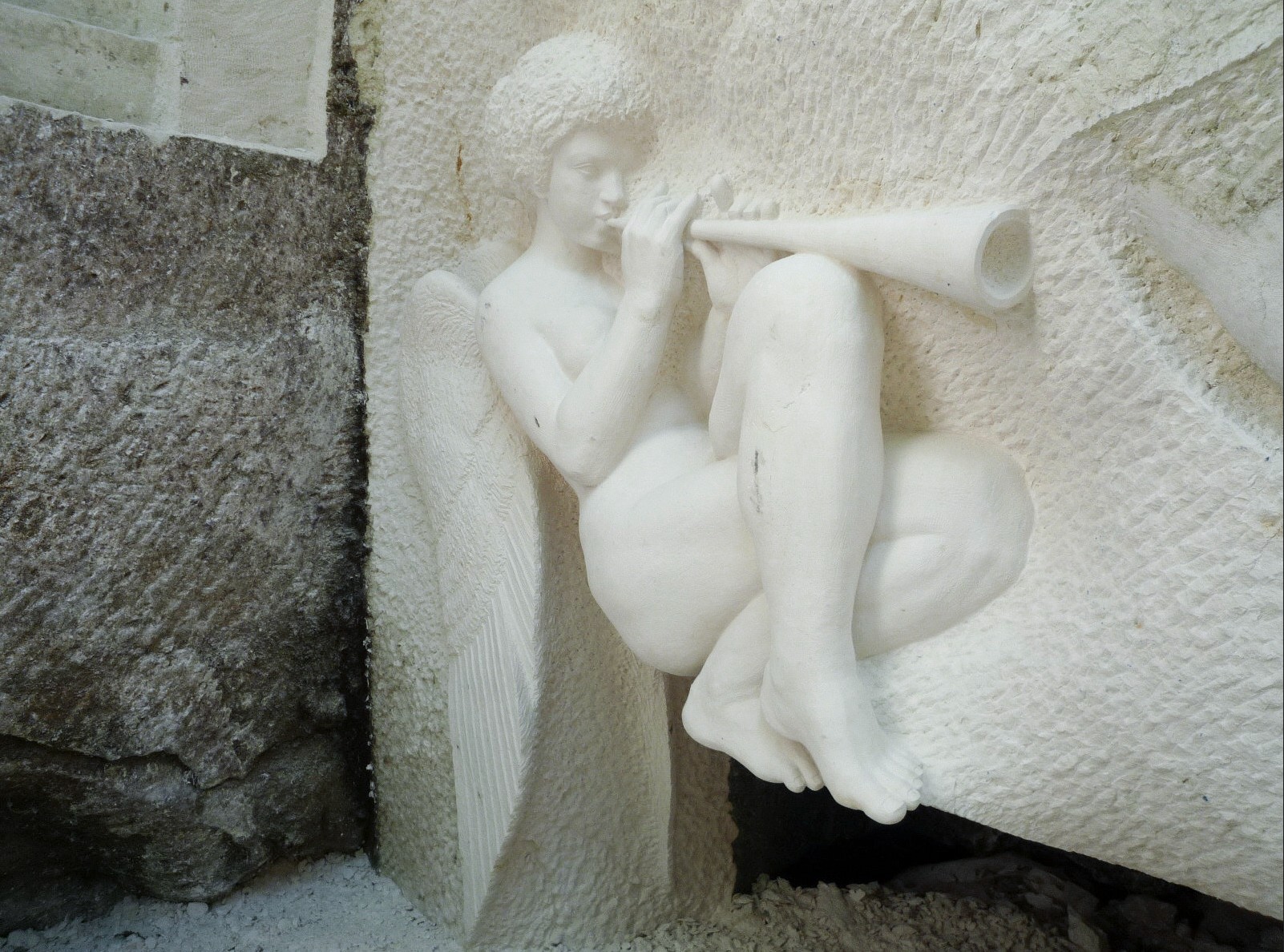
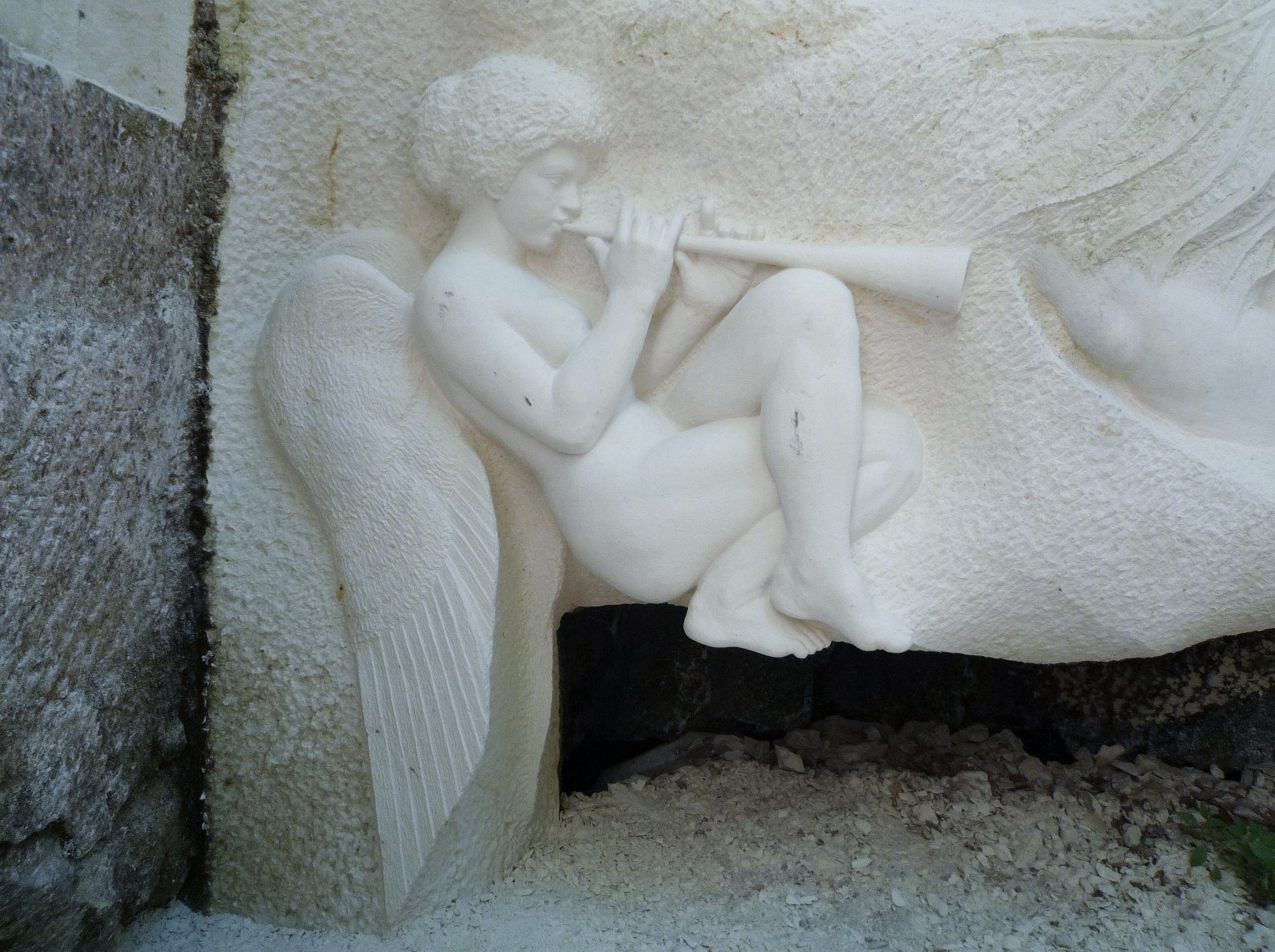
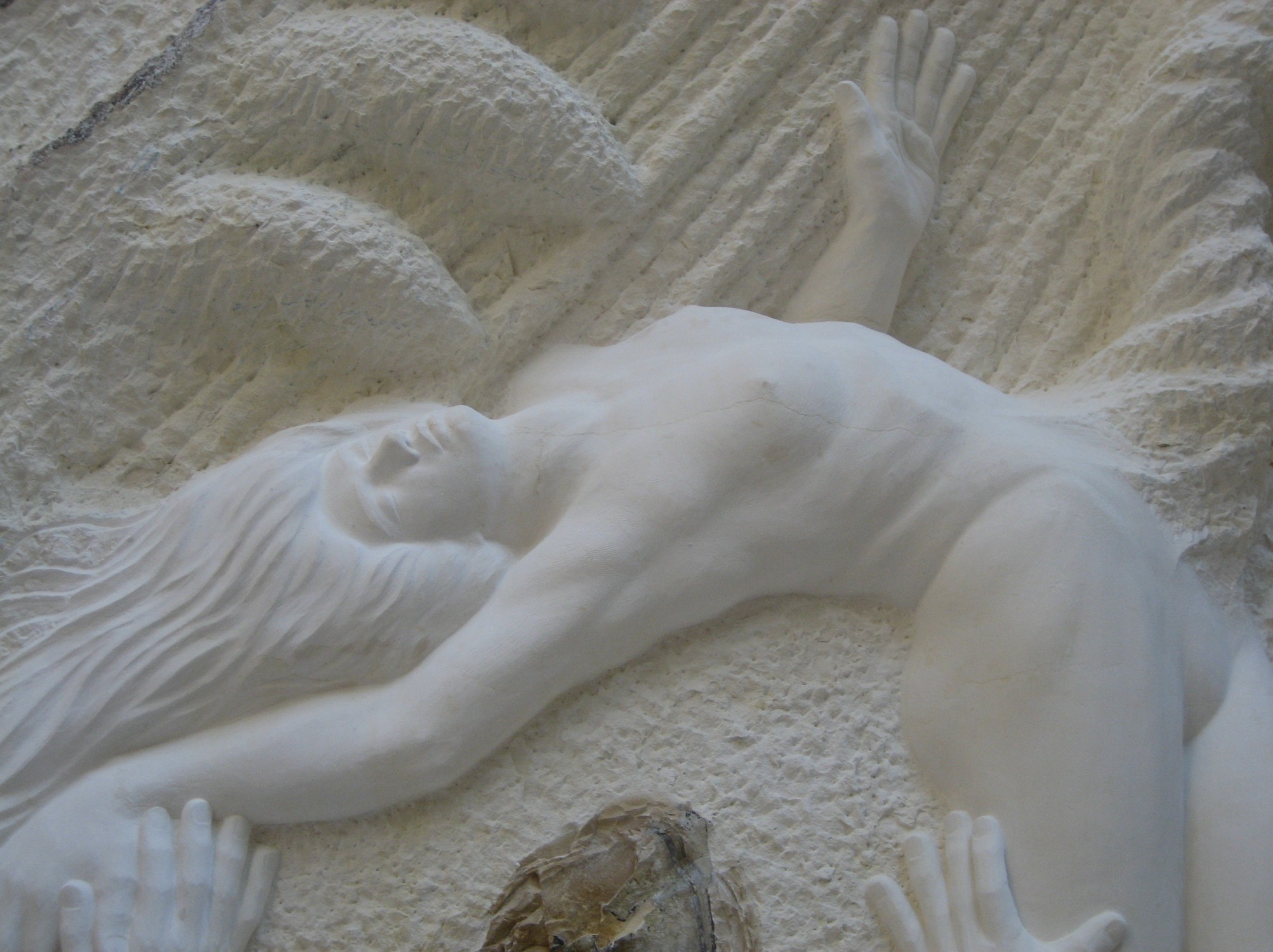
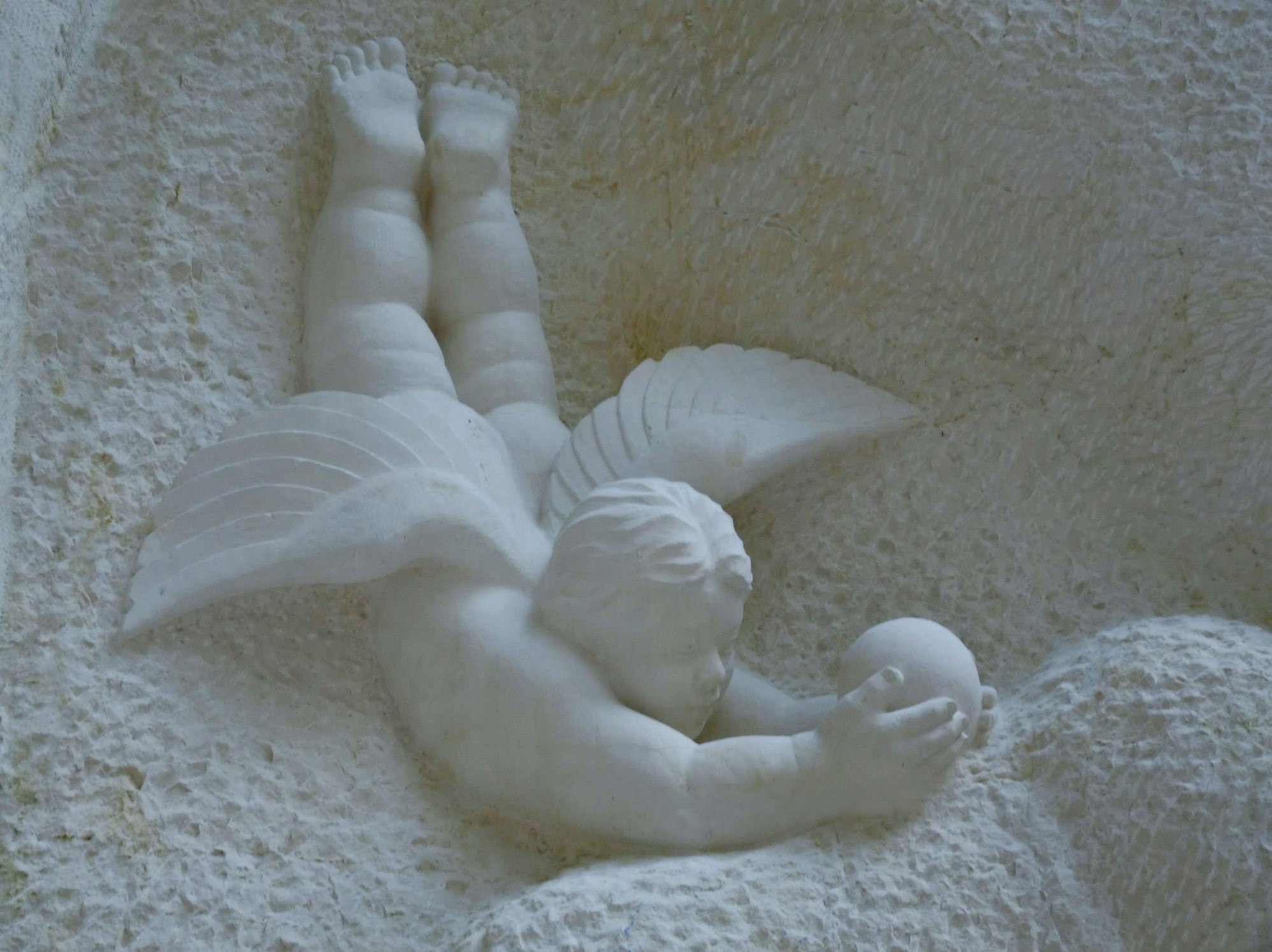
At the centre of the composition, the female figure stretches across the rock while the male figure curves beneath her. Around them are additional figures and symbolic forms, including a winged child and a musician playing a flute. These elements create a dreamlike world in which humanity appears to exist within a larger spiritual and natural universe.
According to Les Lapidiales, Hori conceived the work around the place of humanity within its terrestrial universe, combining symbolism with a celebration of the human spirit. The sculpture also reflects Buddhist ideas concerning the fundamental elements of the universe — earth, water, fire, wind and sky/space — while the man and woman represent humanity carried by earthly desires.
One of the most striking aspects of the work is the contrast between the highly polished human figures and the deliberately rough, untouched surfaces of the surrounding limestone. The smooth bodies seem almost weightless, while the raw quarry wall retains traces of the stone’s geological character. This contrast reinforces the impression that the figures are emerging from the earth rather than being placed upon it.
The title From the Abyss to the Azure can be understood as a movement from darkness and depth toward light and openness. The figures seem to struggle, dream and ascend through the stone, suggesting a symbolic journey from the material world toward a higher spiritual state.
The composition also demonstrates Hori’s ability to combine figurative sculpture, architectural space and natural geology. The quarry wall becomes simultaneously a landscape, a stage and a monumental relief. The surrounding stone is not merely a background; it forms an essential part of the narrative.
For Yasushi Hori, the work represents a profound exploration of human existence, spirituality, desire and the relationship between humanity and the natural universe. Its monumental scale and direct relationship with the quarry make it particularly significant within the artistic environment of Les Lapidiales.
Overall, From the Abyss to the Azure is a powerful example of Hori’s approach to stone carving: transforming an existing geological mass into an expressive human and spiritual landscape while preserving the raw character of the original stone.