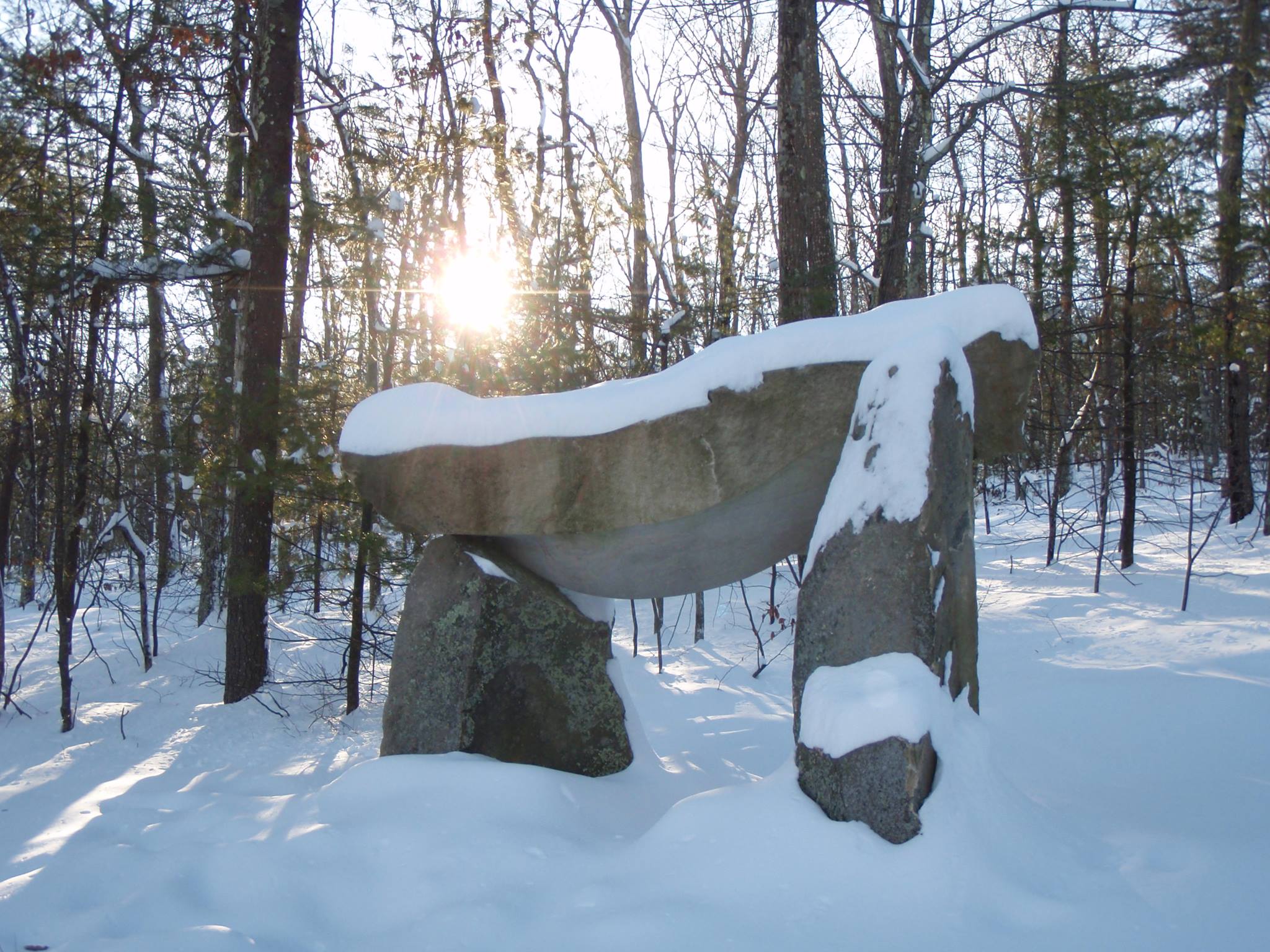
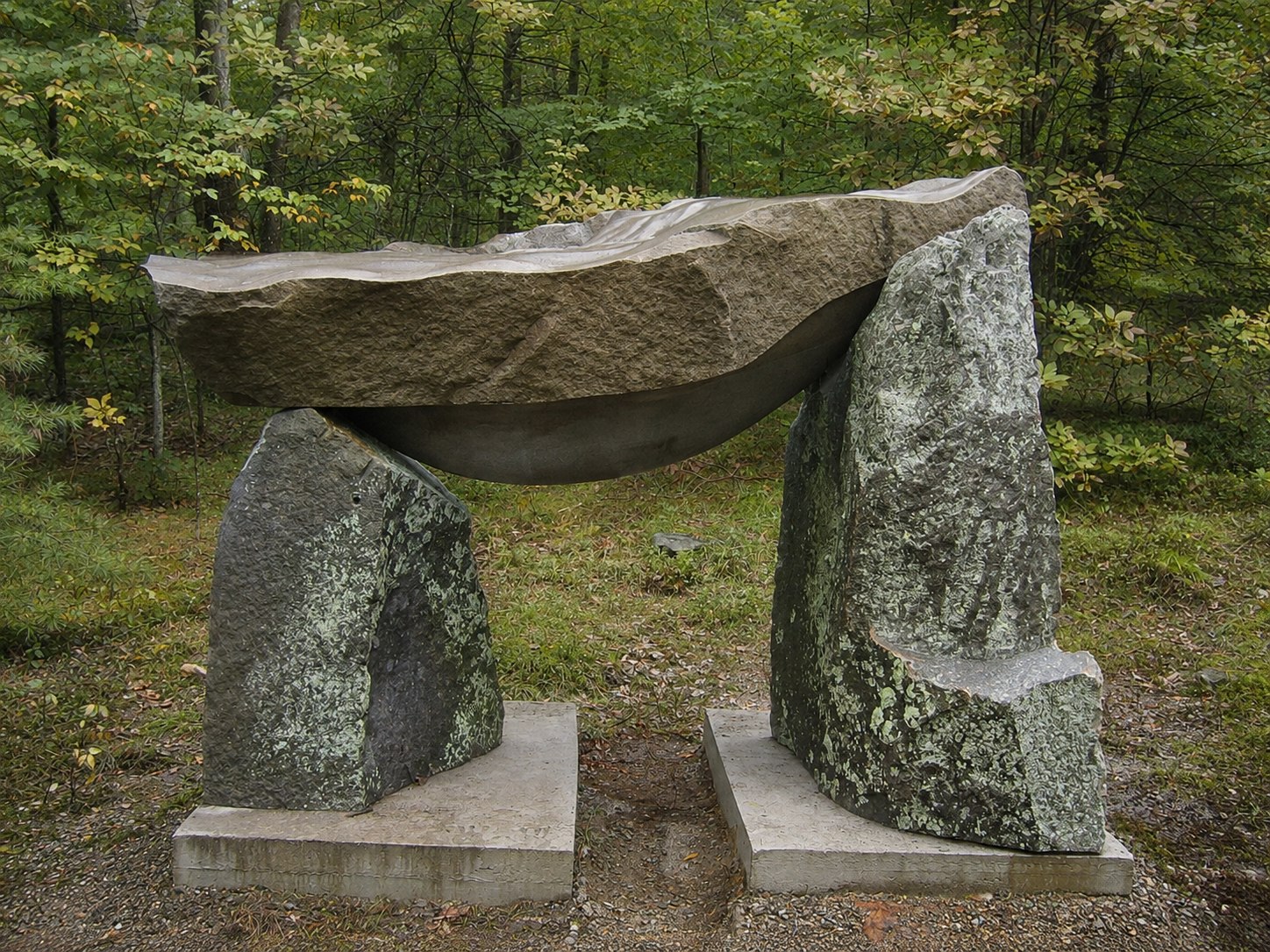
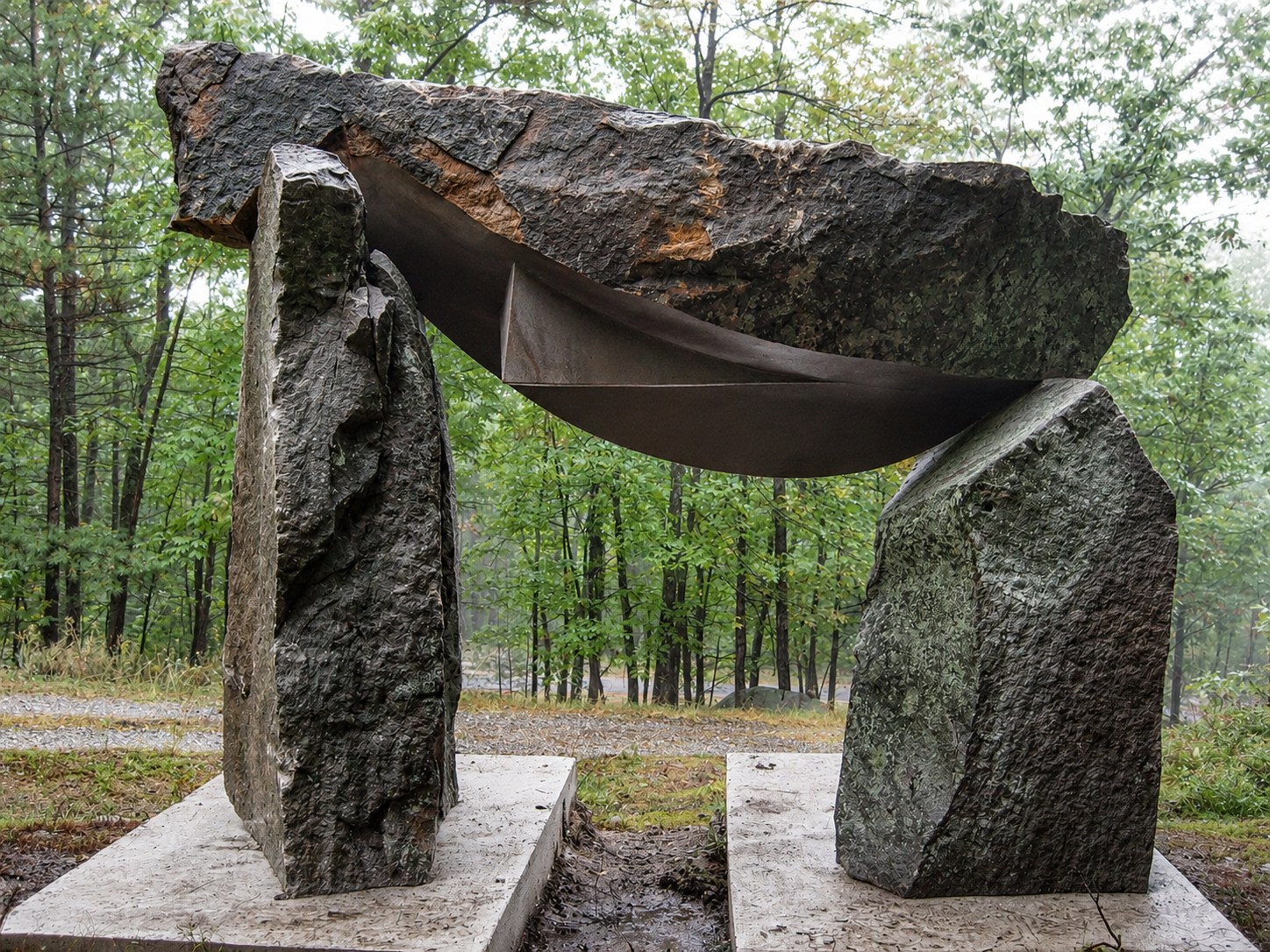
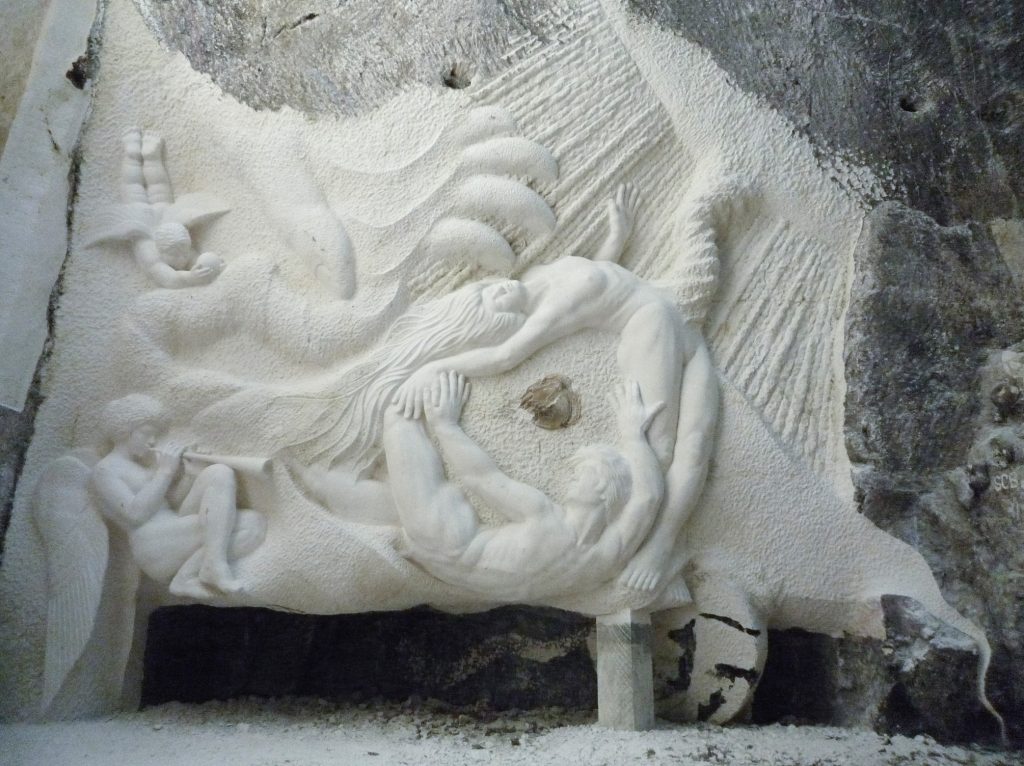
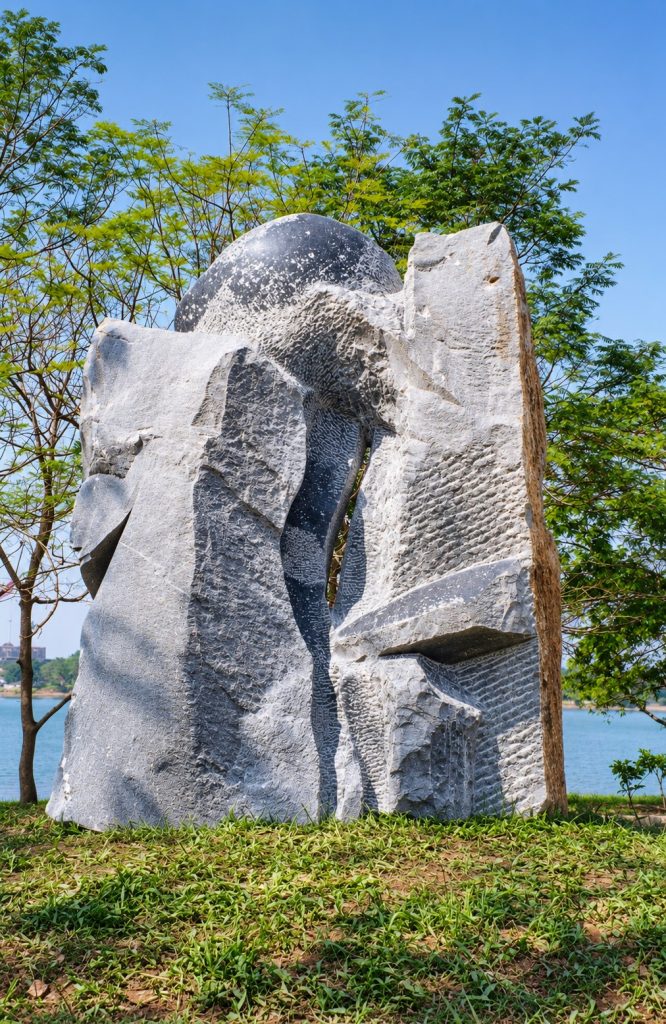
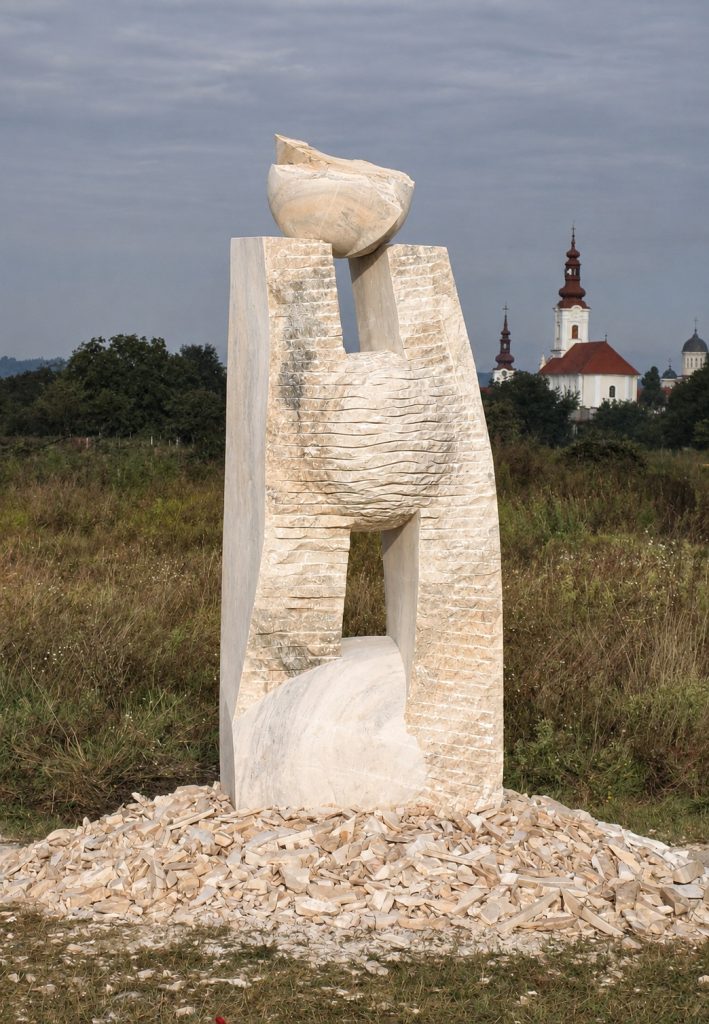
This sculpture, titled Origin of Life, was created in 2008 in Vermont, USA, by Japanese sculptor Yasushi Hori. The work is associated with the Andres Institute of Art Sculpture Park, where Hori participated as a Vietnam/Japan artist. His artistic practice frequently explores fundamental questions surrounding human origins and the direction of humanity.
Artist: Yasushi Hori. He is a Japanese stone sculptor whose work explores the origins of humanity, the passage of time, and the relationship between human beings and nature. His sculptures often use natural stone and carefully composed negative space to create a sense of harmony and transformation.
Title: Origin of Life (3.5 m W).
Material: Granite.
Location & Date: Created in Vermont, USA, in 2008, as part of the international sculpture program at Andres Institute of Art. A contemporary account of the park identifies Hori’s 2008 work as a granite sculpture and describes it as a roughly hewn stone gateway or portal.
Concept & Theme:
Origin of Life is composed of massive, naturally textured granite stones supporting a broad, gently curved stone form that spans the space between them. The composition resembles a primordial gateway, arch, or shelter emerging directly from the landscape. Rather than imposing a rigid geometric structure upon the stone, Hori preserves much of its natural character, allowing the sculpture to exist in dialogue with the surrounding forest.
The open space beneath the elevated stone becomes an important part of the work. It creates a visual passage between two sides while suggesting a transition from one state of existence to another. The relationship between the heavy granite masses and the suspended, curved form evokes the emergence of life from the earth and the formation of an environment in which life can begin and evolve.
The sculpture can also be understood as an abstract representation of birth, emergence, and continuity. The two supporting stones may suggest primordial forces or foundations, while the central form acts as a bridge between them—symbolizing the emergence of life from the meeting of natural elements. The contrast between rough, untouched surfaces and more refined carved areas emphasizes the transformation of raw matter into meaningful form.
This interpretation is consistent with Hori’s broader artistic philosophy. In his own statement, he describes his work as an exploration of humanity’s origins and future, while emphasizing harmony, natural elements, and the changes that occur through space and time.
Through its monumental scale, natural granite, and carefully framed void, Origin of Life invites reflection on the beginnings of life, the relationship between humanity and the earth, and the continuous transformation of nature through time.